Incredible India: Part 3 - Culture
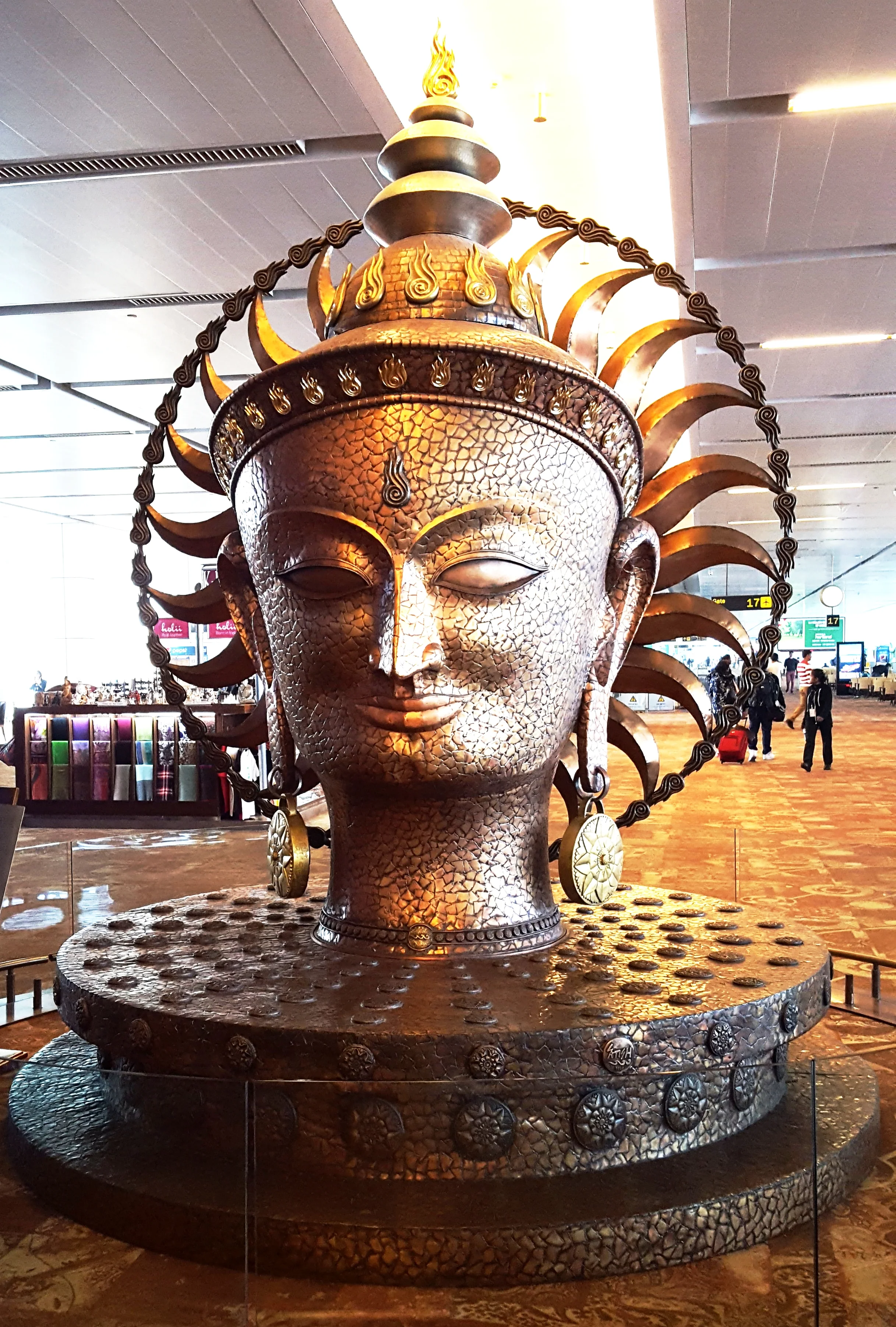
"Culture is the widening of the mind and of the spirit." - Jawaharlal Nehru
That line stayed with me long before I ever booked a flight to India, and nowhere did I feel it more viscerally than in Delhi.
India had been on my radar for years, but for me, it was never a bucket list item to be passively checked off. It was a place that needed to be explored. Although I always wanted to visit, I admittedly was very nervous to do so solo. So when my friends suggested I join them on their next trip home, I jumped at the opportunity.
From the moment I stepped out of the plane, the beautifully rich culture of India hit me. There was artwork throughout the airport, a curiosity toward the unknown stranger, and everyone seemed to be in a rush. The energy is electric and immediately immersive. Even as you take the escalator down to customs, you are awe-struck by The Canyon Wall of 9, massive, but incredibly beautiful Mudras. A perfect introduction to have you start your journey with a sense of calm because Delhi doesn't ease you in, it welcomes you at full volume. I was happy to be meeting friends, as the chaos and thickness of the air reminded me of Lagos, Nigeria.
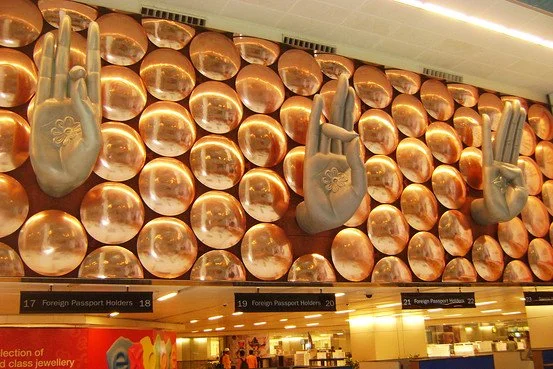
Mudra installation at Delhi’s Indira Gandhi International Airport
India 101
India's official languages are English and Hindi. English being an official language is a remnant of past British rule, though many people don't actually speak it in daily life with their families. That said, the people I came across all did speak English, from drivers to waiters, which made connecting surprisingly easy. Still, I'll be honest: I was never navigating the city alone, and I definitely think that mattered. Delhi commands your full attention, and doing it solo on a first visit would have been an entirely different, more nerve-wracking experience for me personally.
A City Built on Layers
Delhi is one of those rare cities where ancient history and chaotic modernity exist side by side without either apologizing for the other. The old city, Shahjahanabad, or Old Delhi, is a labyrinth of narrow lanes, centuries-old mosques, and spice markets that have been operating since the Mughal era. The Red Fort, Jama Masjid, and Chandni Chowk are not just monuments; they are living, breathing parts of the city's daily rhythm.
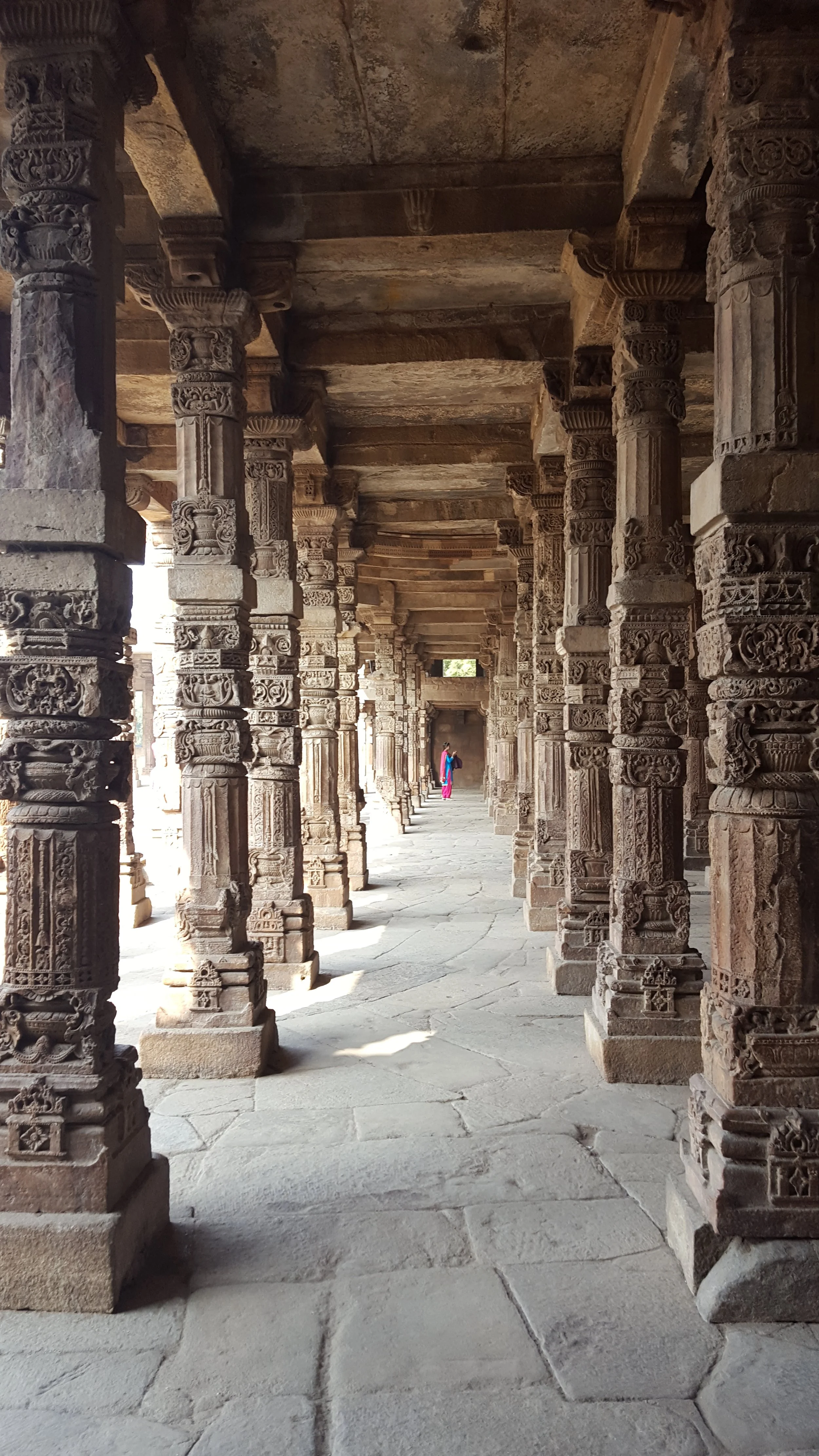
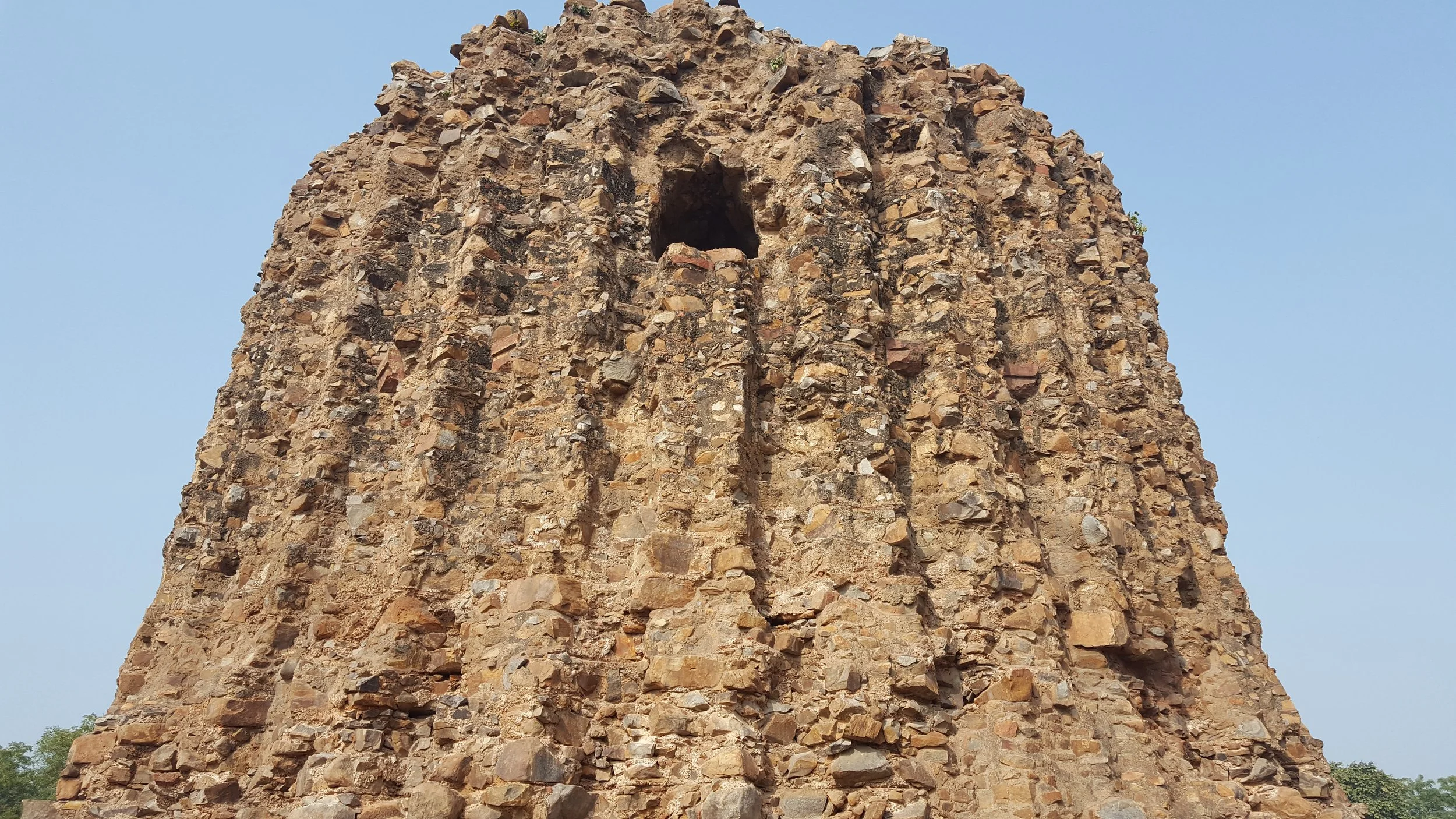
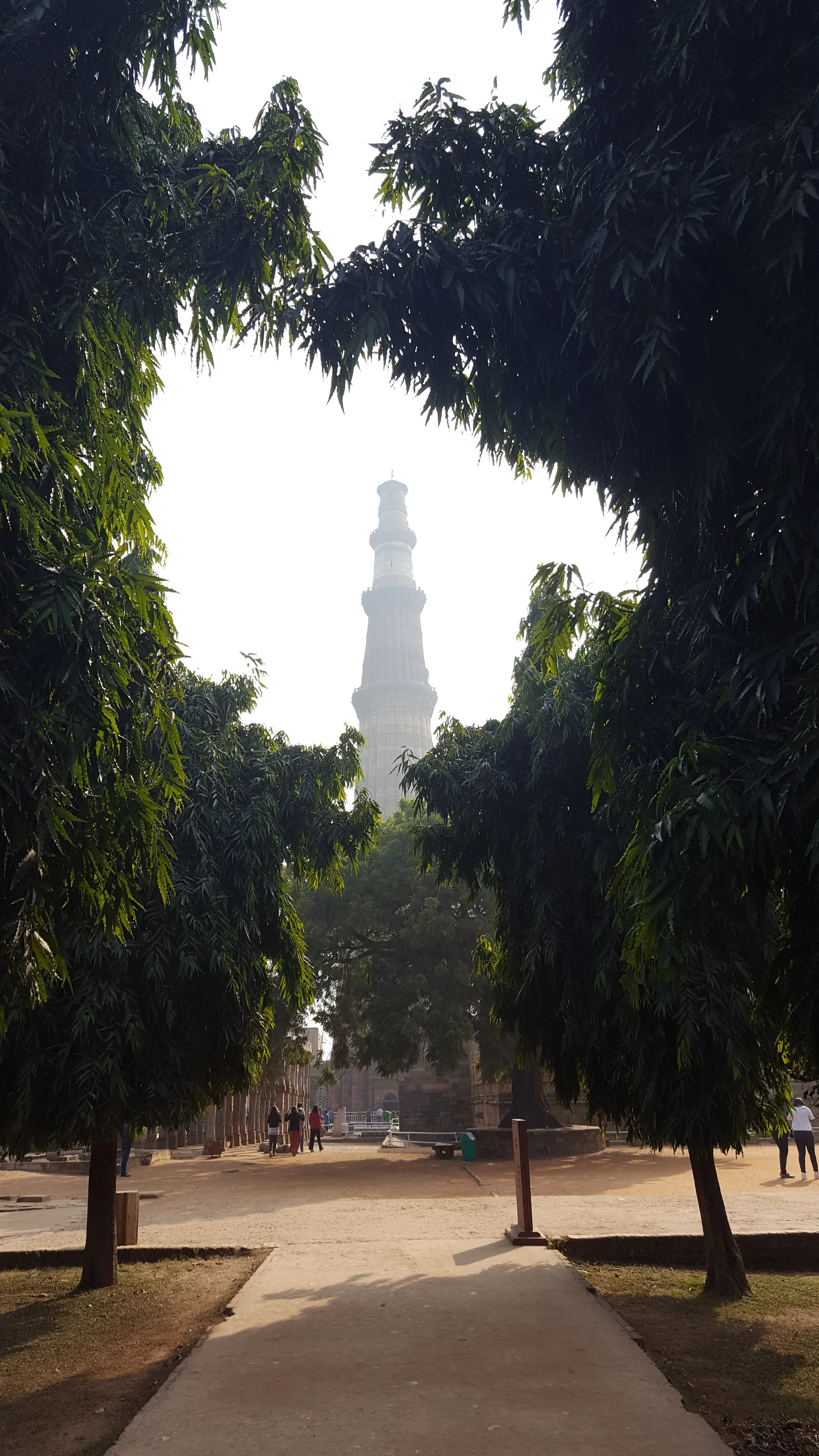
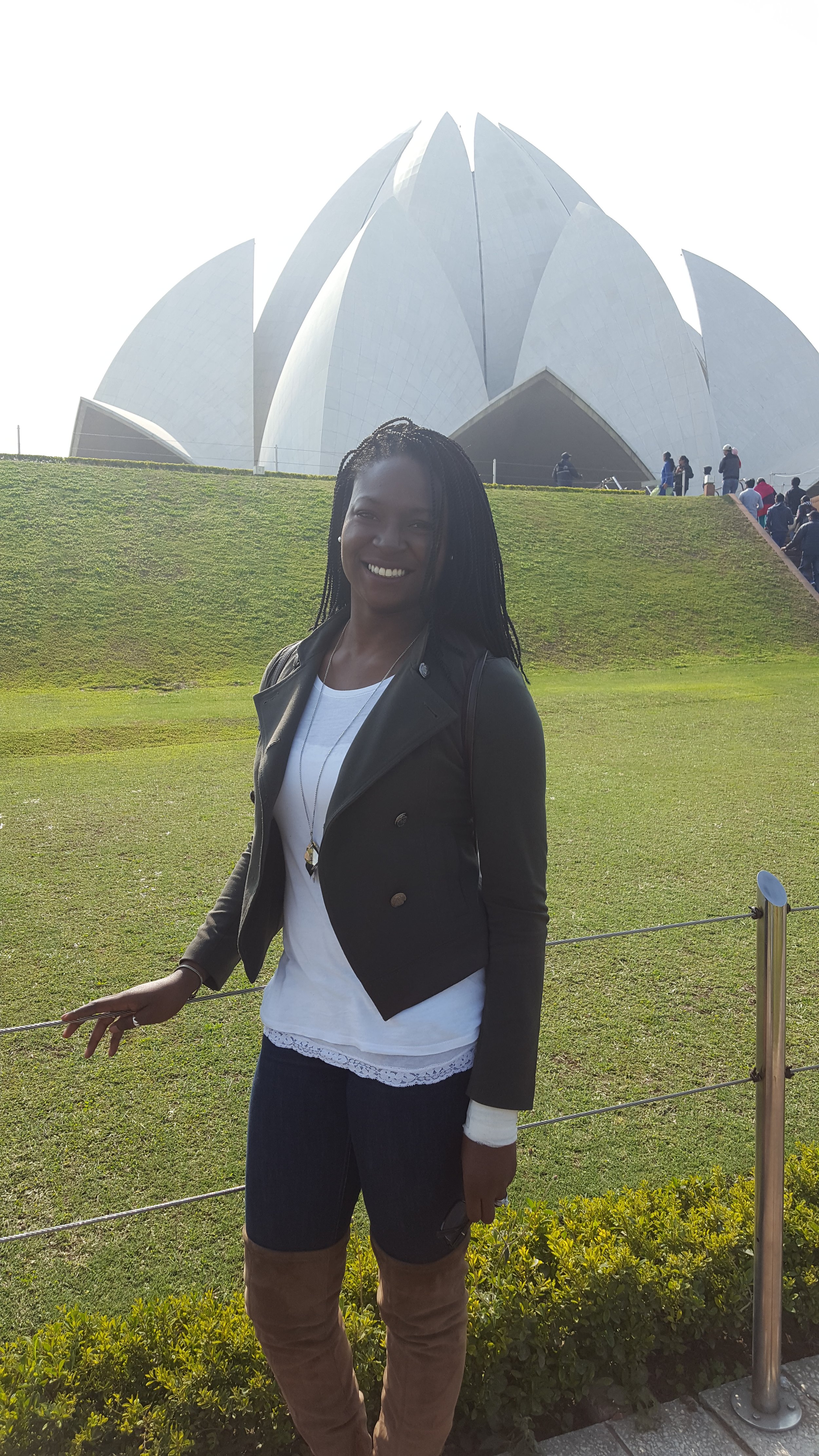
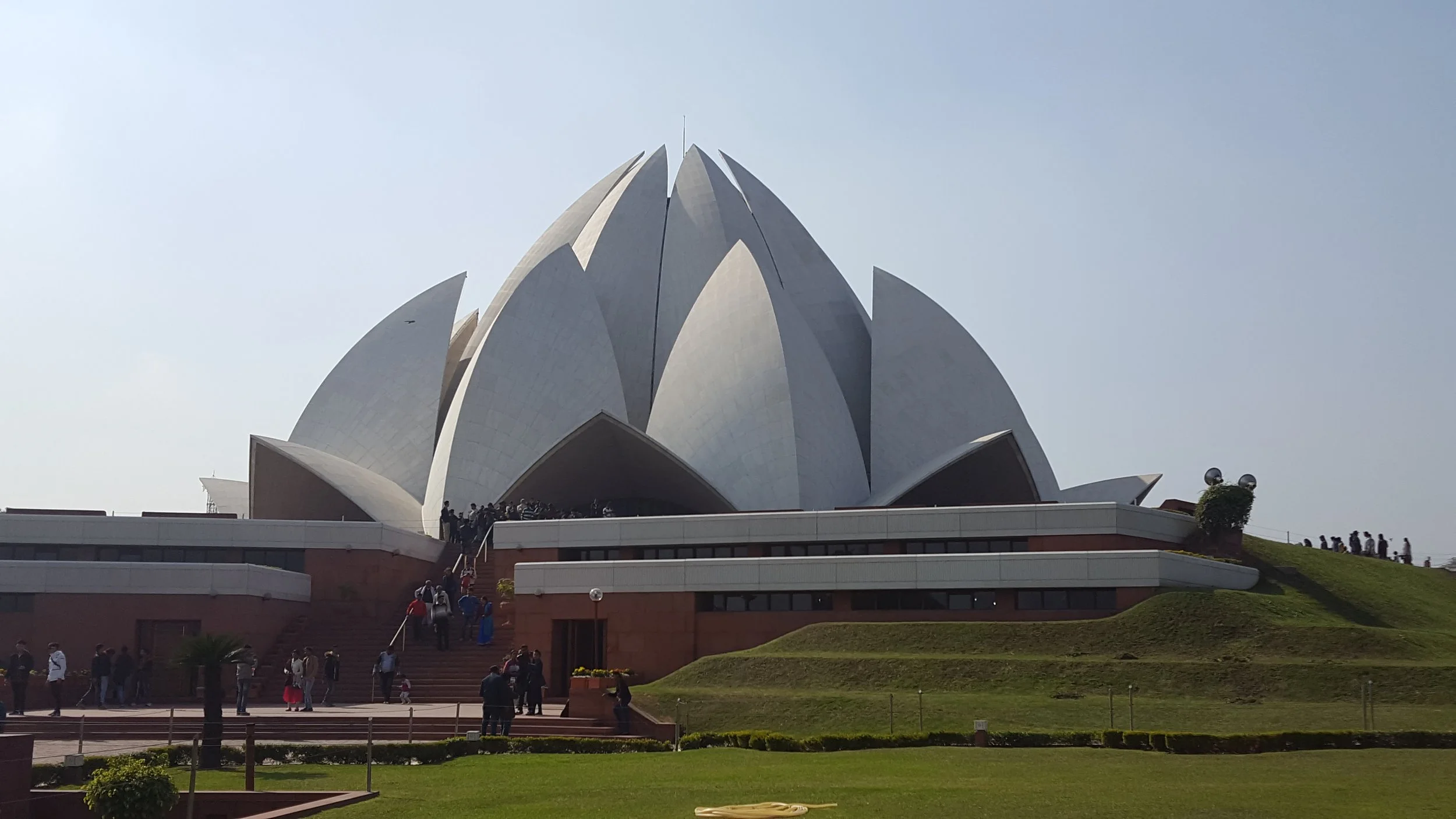
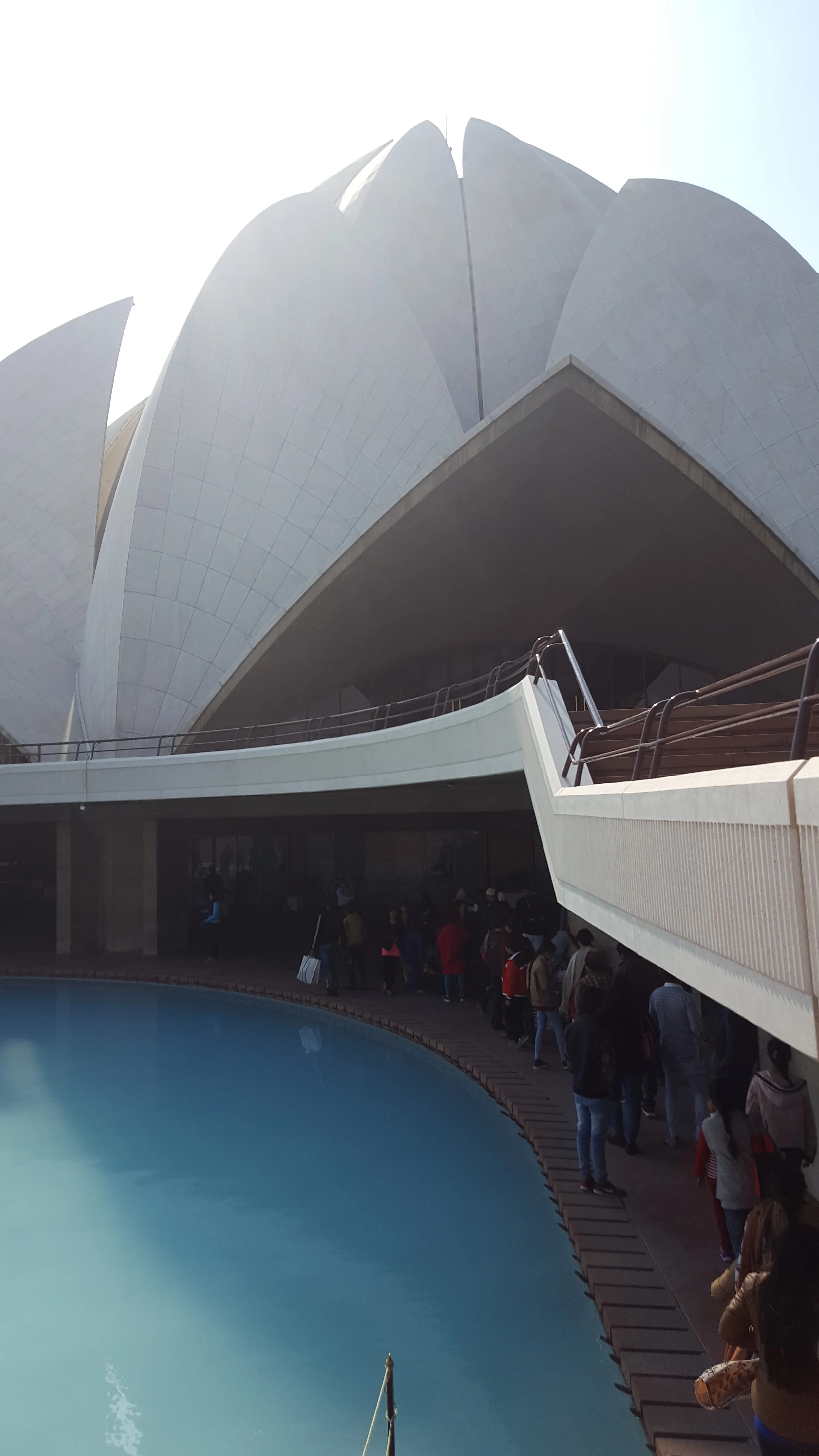
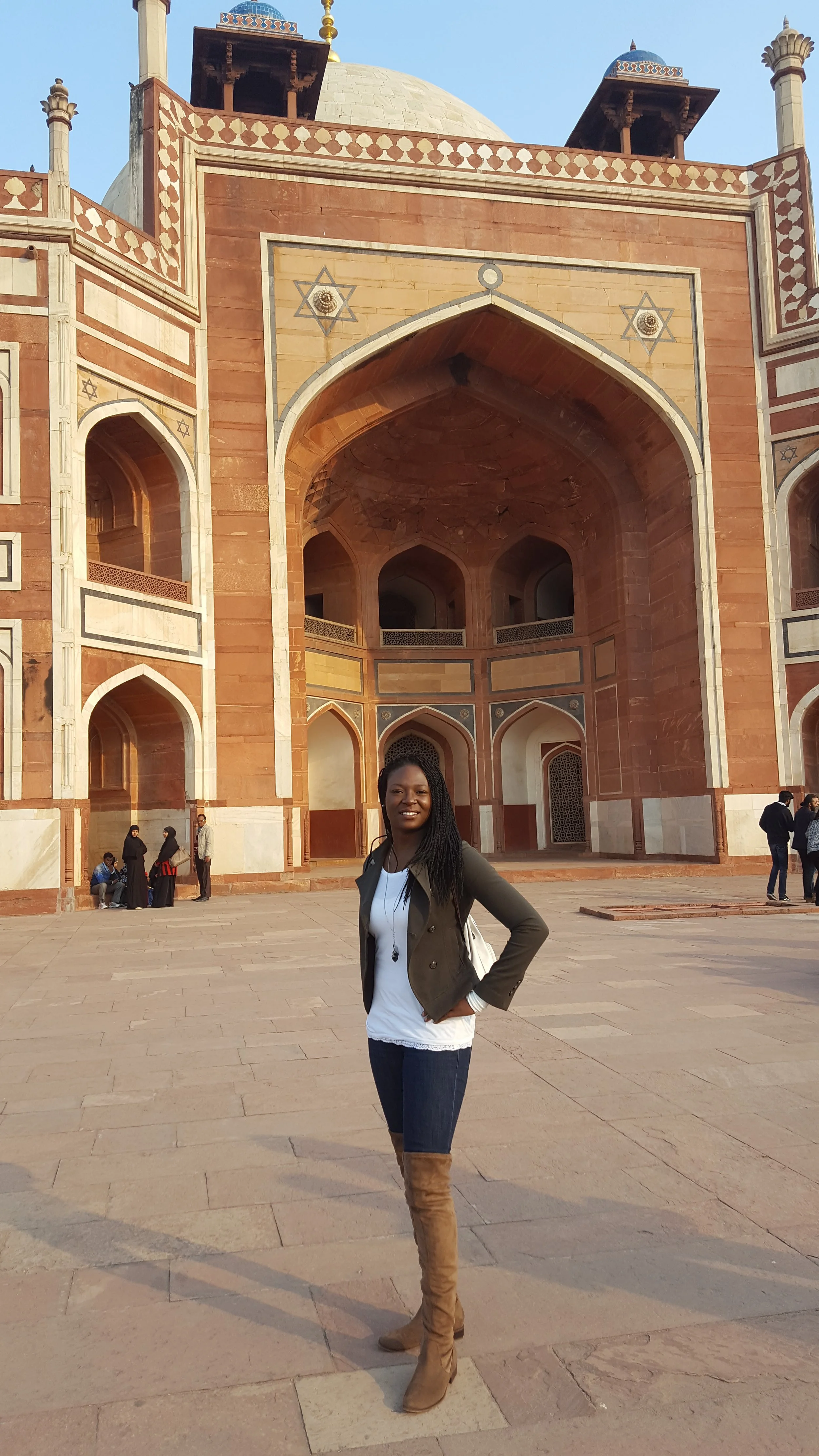
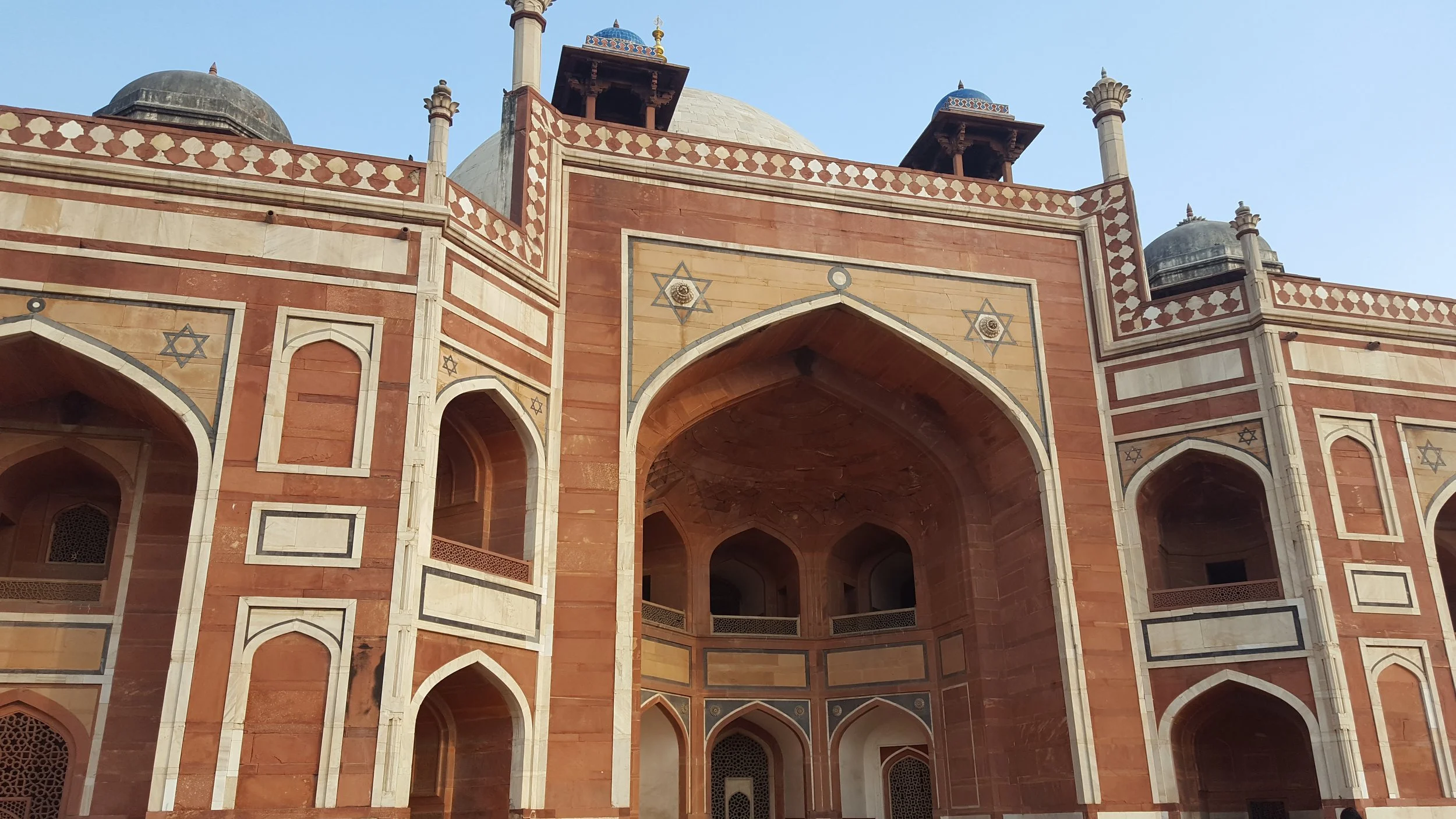
Then there's New Delhi, the wide boulevards, embassies, and colonial-era architecture. The Lotus Temple is far more beautiful in person than any photos give it credit. India Gate stands as a sobering monument against the skyline. Humayun's Tomb and Qutub Minar show India’s true artisan nature, with every detail carefully curated. They are both UNESCO World Heritage Sites that you can’t miss while visiting. The contrast between these two Delhis is itself, a cultural education.
The Markets
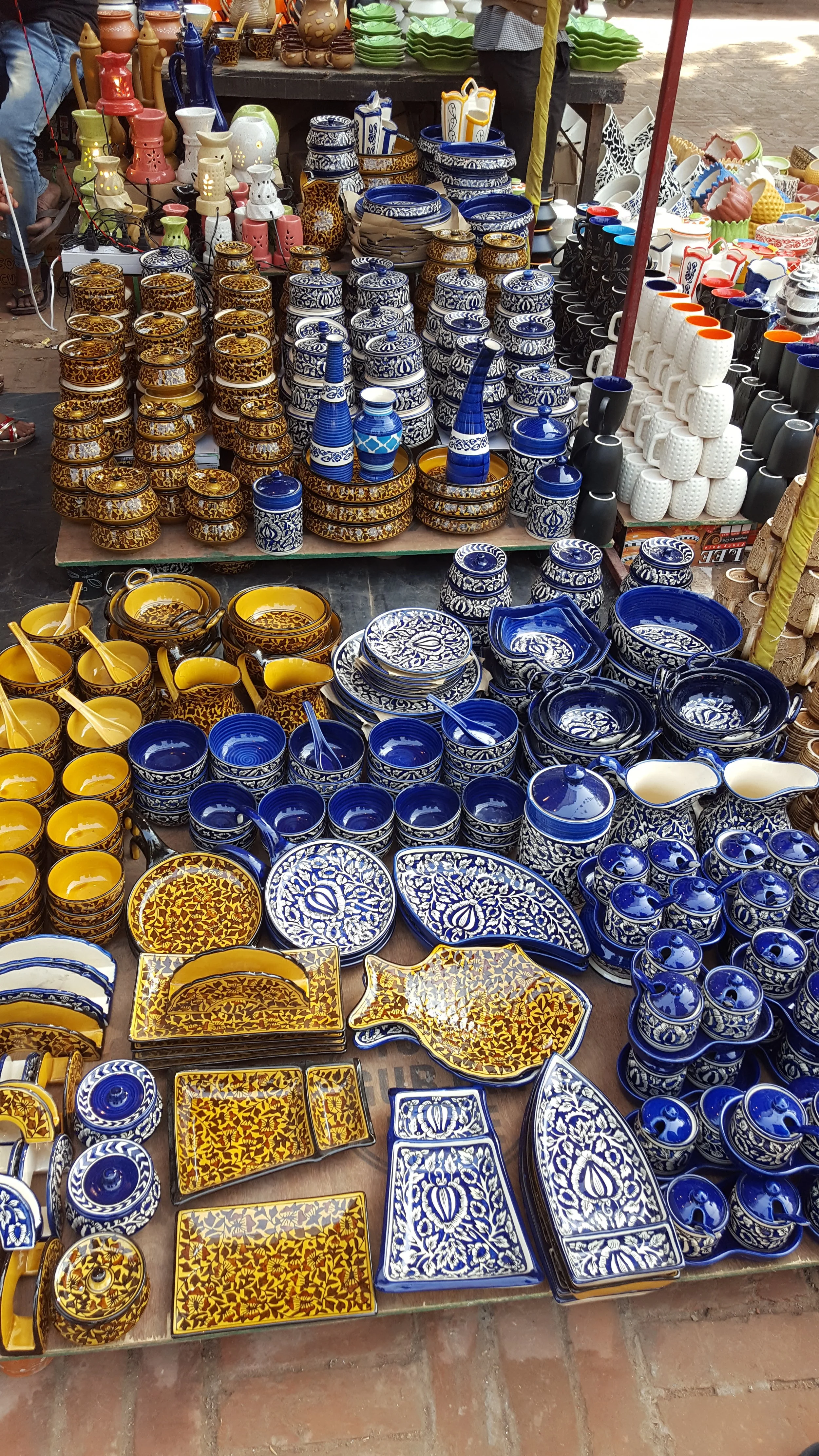
No visit to Delhi is complete without losing yourself in the markets. The treasures you can find are innumerable. From the main bazaar in Paharganj to smaller, easier managed markets.
Unlike the overwhelming sensory overload of Old Delhi's bazaars, Dilli Haat is an open-air crafts market that brings together artisans and weavers from every state in India. It's curated chaos, the kind where you can watch a Kashmiri craftsman weave a pashmina in the same afternoon that you try Rajasthani dal baati churma for the first time. It's designed to give visitors a cross-section of the entire subcontinent without boarding another flight. Yes, the entrance price for a foreigner is much higher than that of a local, but that is something you start to become accustomed to wherever you travel. Anywhere that is even slightly touristy will come with an up-charge for foreigners. Nothing to bat an eye at though, considering that the dollar was trading much higher than the rupee at this time. If you would like an easy way to travel with a guide, check out my Viator Shop for suggested tours!
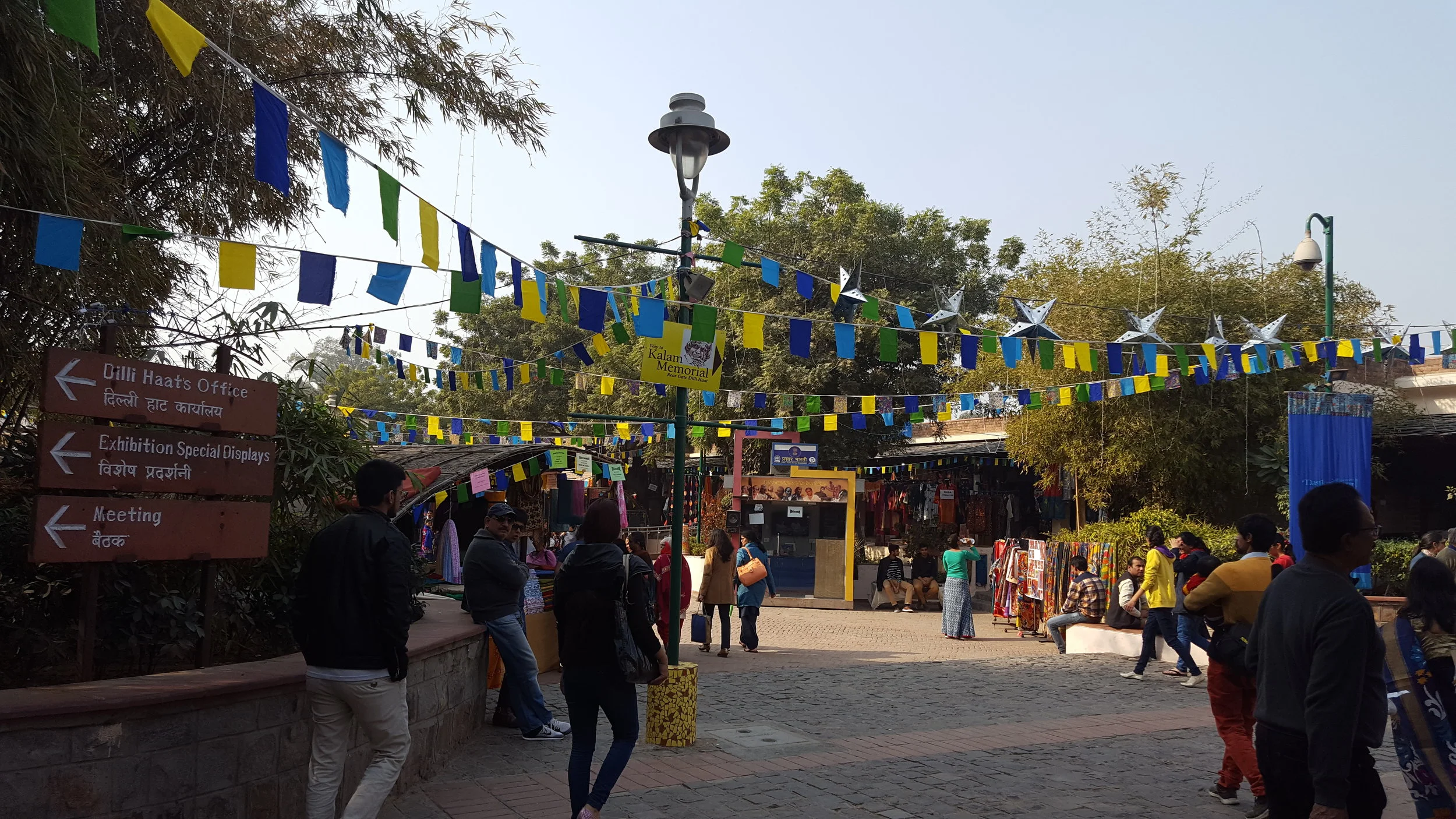
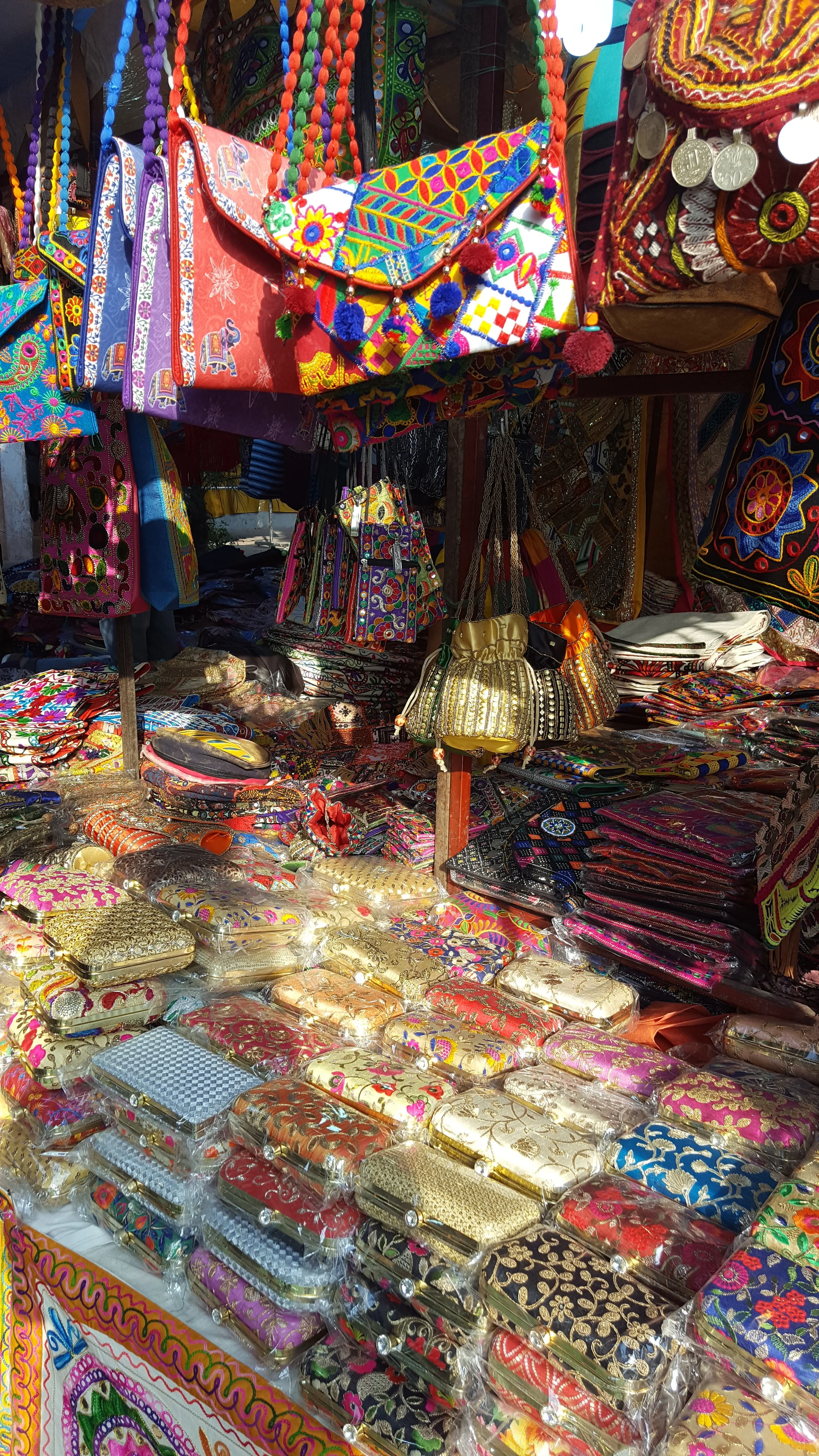
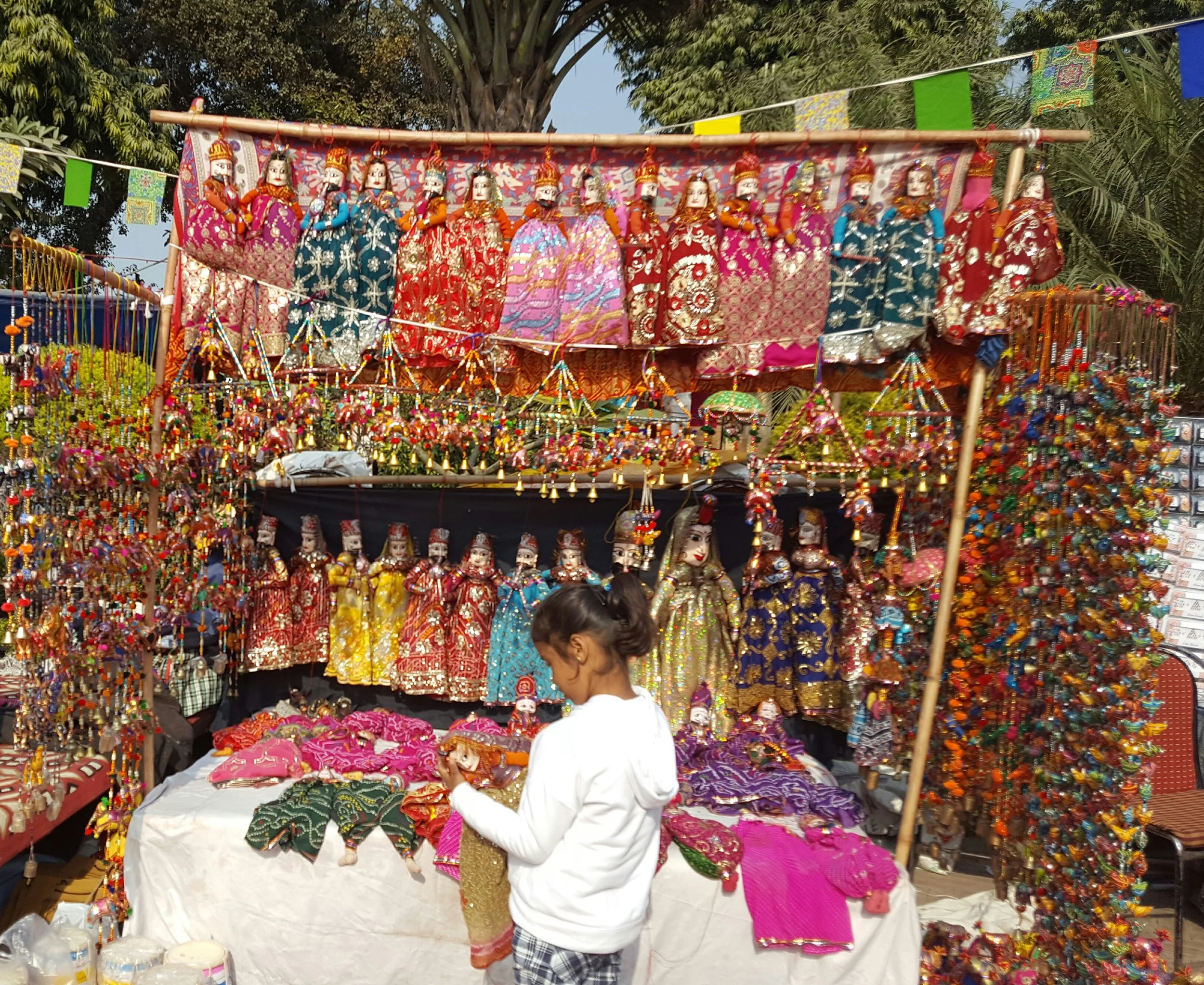
Midday performance at Dilli Haat
The Food
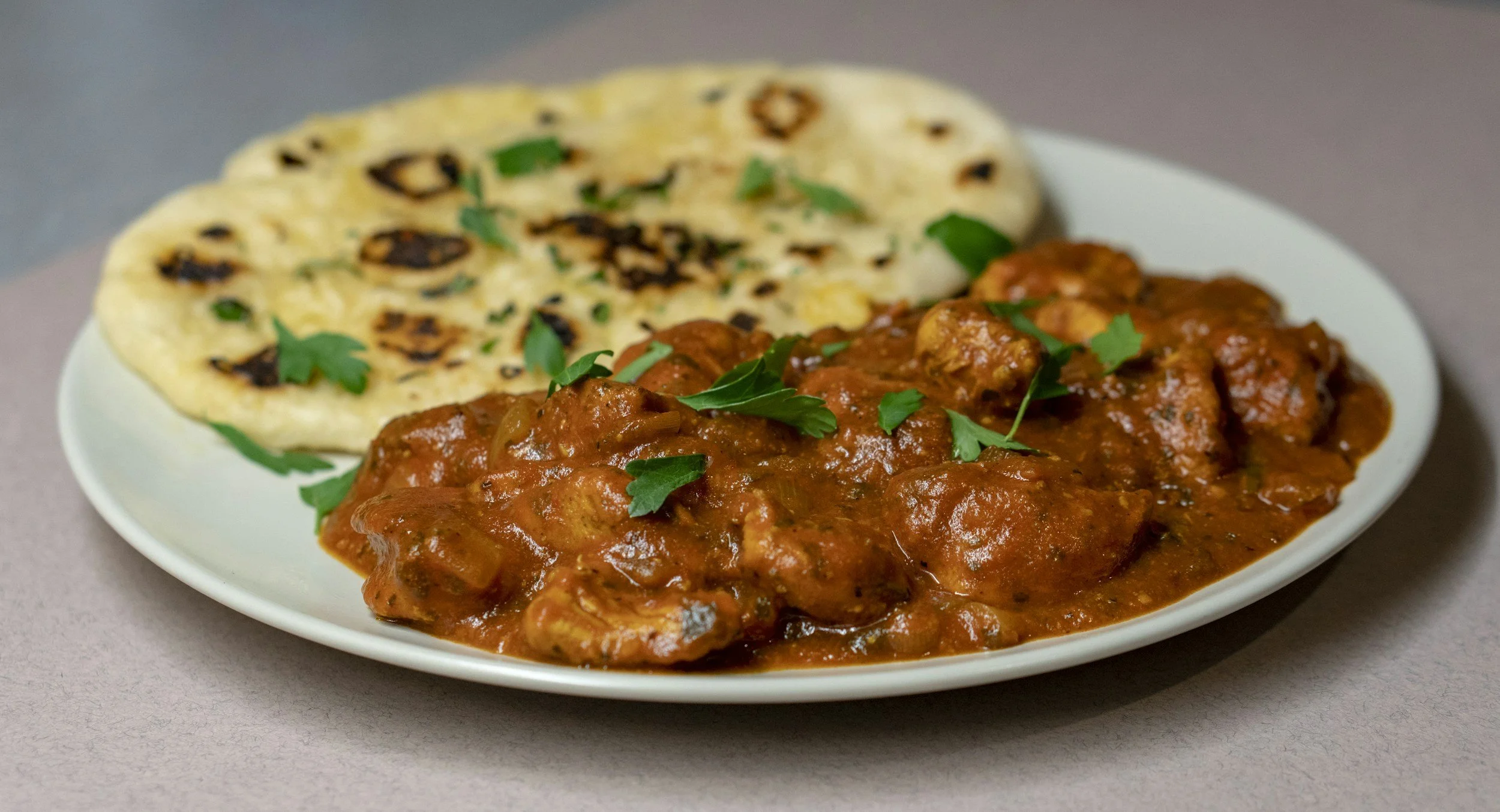
Speaking of food; Delhi will ruin you, in the best possible way. Street-side chaat, butter chicken that bears no resemblance to the version you've had abroad, parathas stuffed with spiced potatoes and served with a dollop of white butter. The cuisine here is generous, bold, and deeply tied to identity in ways that a menu can't fully explain, but we’ll get into more of that in Part 4 of this series. The variation of spices in this country alone makes me want to go back to explore the different states from Rajasthan to Goa.
The People
What made all of this land was experiencing it with people who actually live there, people who grew up in these streets and could shed light on the good, the bad, and the ugly. Most of which I covered in Part 2 of this series, including the amazing experience that is an Indian wedding. Only wedding more colorful and intense than a Nigerian one. No travel guide replaces that authenticity which, for me, wasn’t heavily curated, and therefore, it was that much more impactful. Whether you are haggling prices in the market, getting advice on which vendors are trustworthy or what food is best to try… Delhi is a city best understood through its people, and if you're lucky enough to have someone show you around, let them.
Culture, after all, is the widening of the mind and of the spirit. Delhi does that without asking permission.