How I Stay Safe Traveling Solo as a Woman (My Actual Routine)
“Solo travel not only pushes you out of your comfort zone, it also pushes you out of the zone of others’ expectations.” -Suzy Strutner
The first thing I do when I check into a hotel room (any hotel room, anywhere in the world) is test the door lock. Then I do a thorough walk through the room. I'll film or photograph everything before I touch a thing, so I have a record of how it looked on arrival. In a rental especially, I check for anything that shouldn't be there, hidden cameras included. Once I'm comfortable, I send a text. Landed. I'm at [hotel name]. Heading out to look around.
Here's why that text matters more than it might seem.
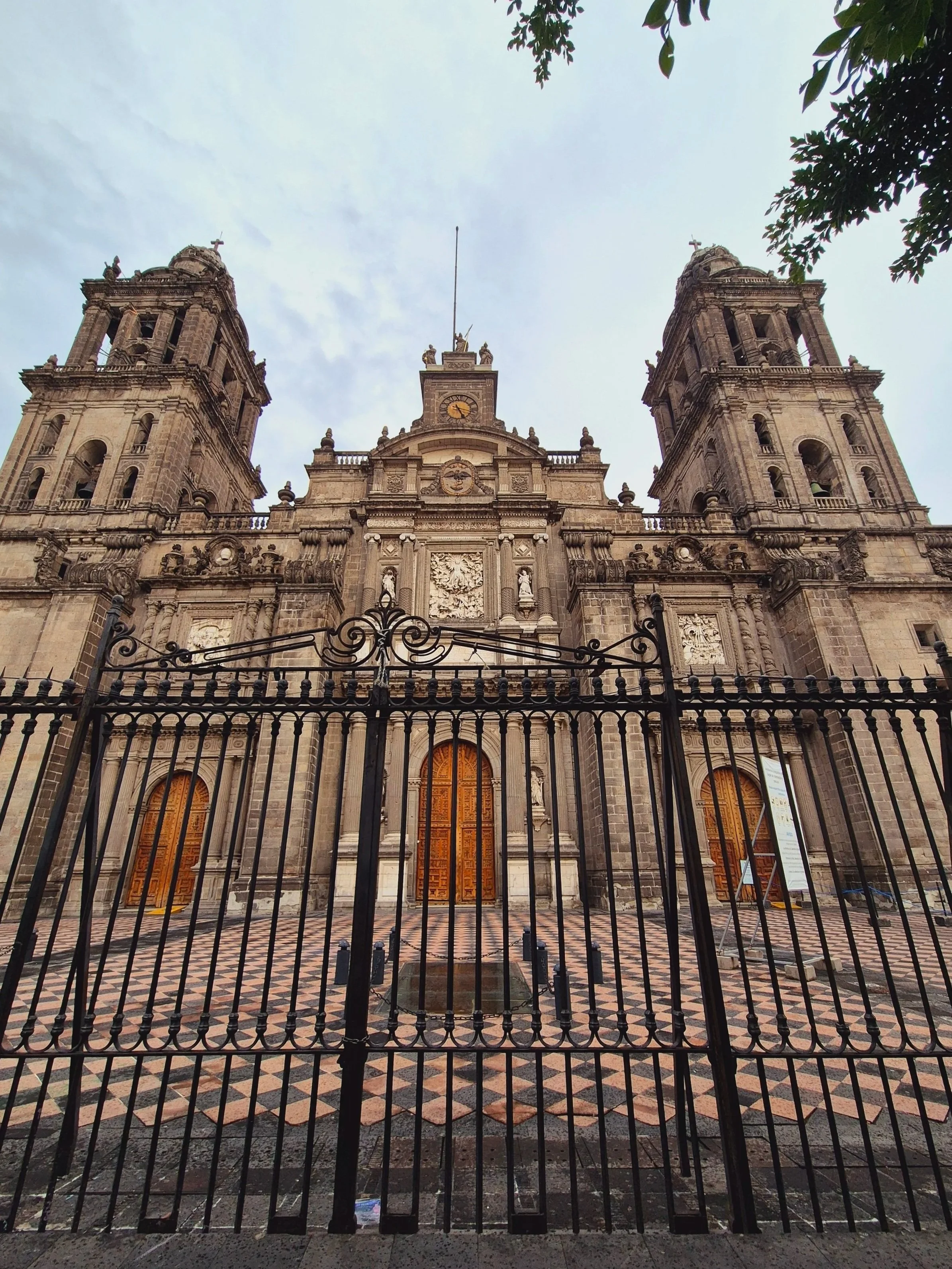
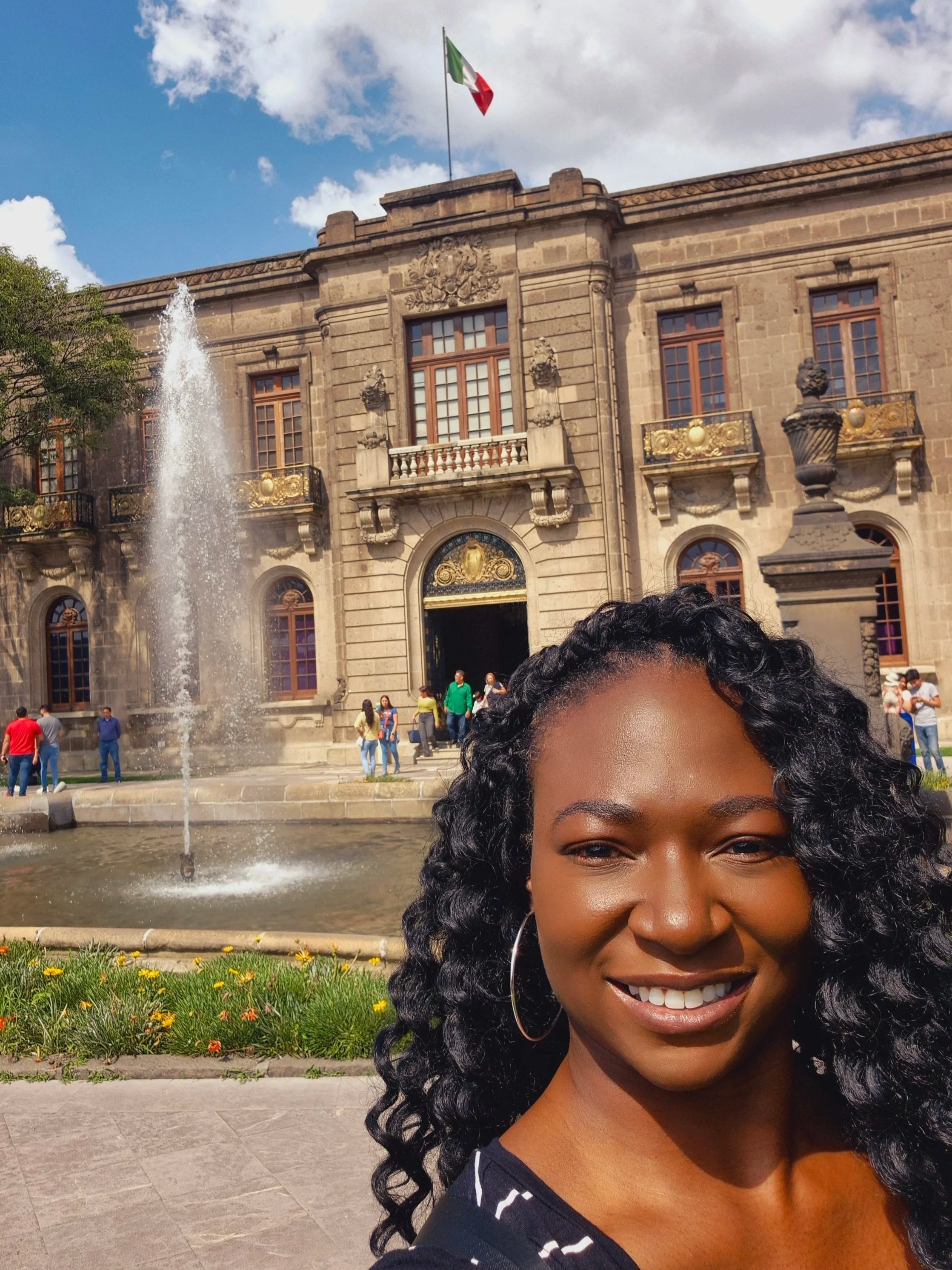
I make sure to send my itinerary to someone I trust before I head out. That habit didn't come from a checklist. It came from one day when I found myself passed out in the middle of a market in Mexico City and had to be helped by strangers. When I came to, I had the realization that none of my people actually knew where I was. I called my mom the second I could, just in case it happened again. Now it's preemptive.
That's it. That's how it starts. Every single trip.
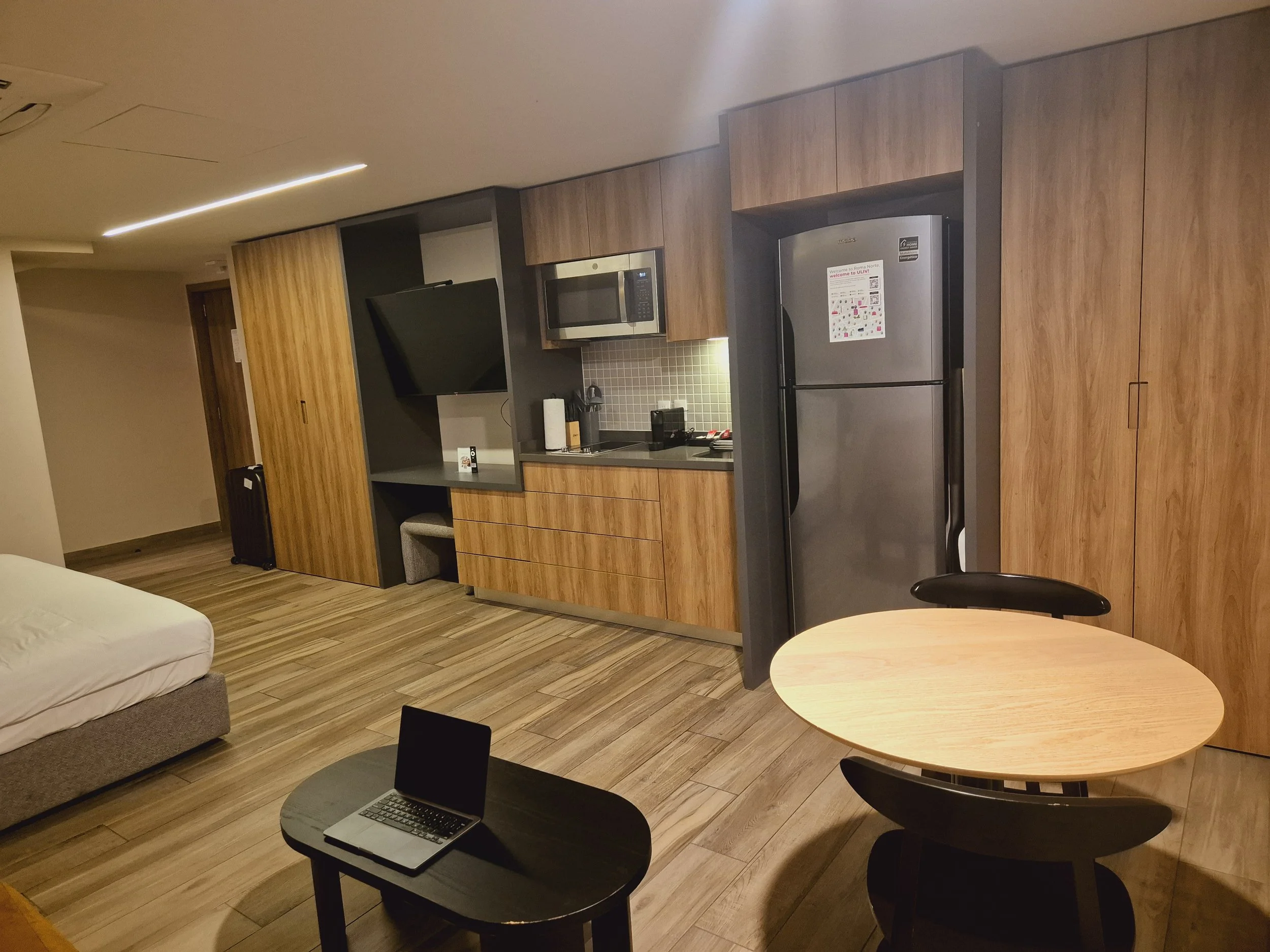
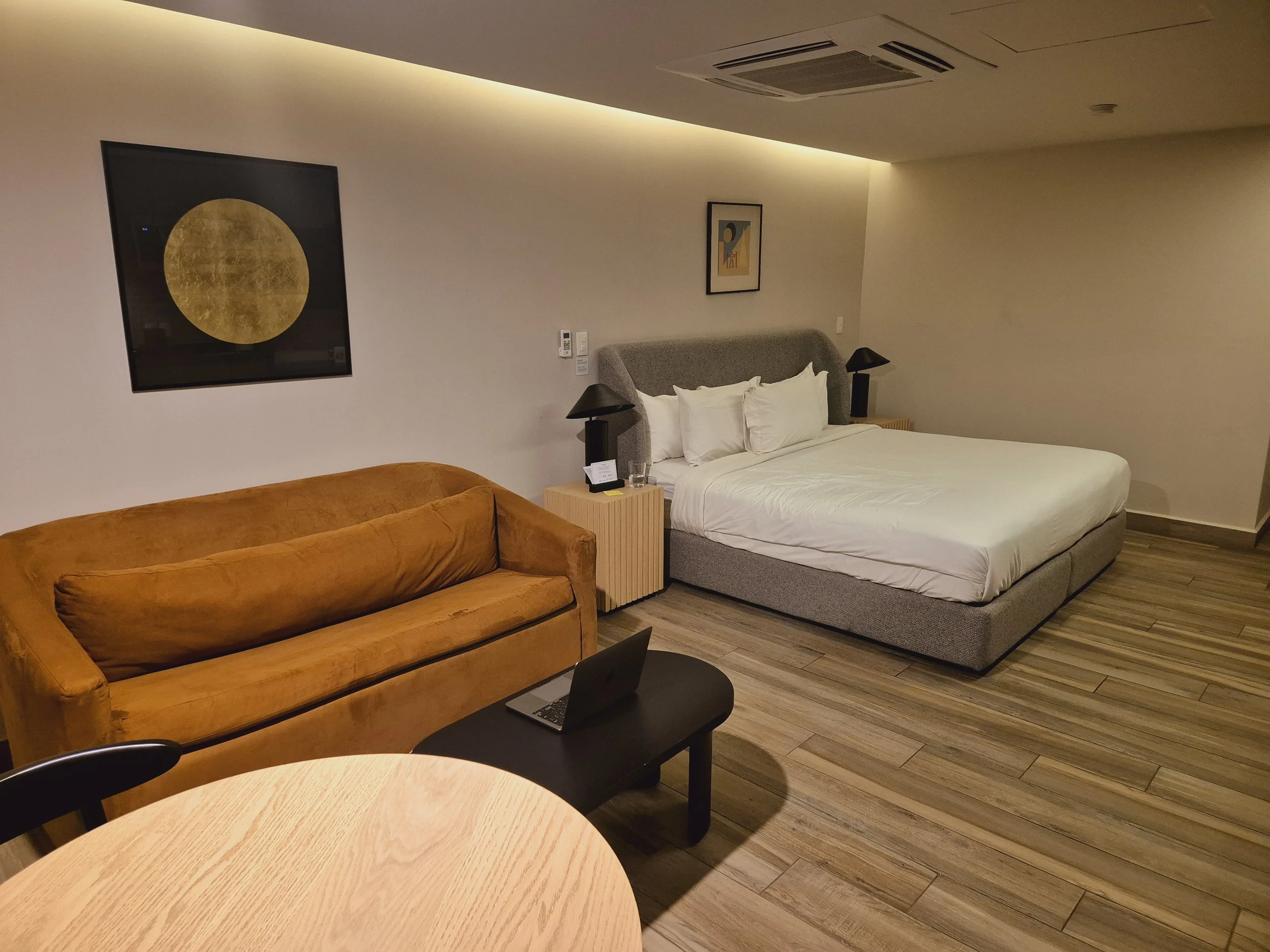
In my last post, I talked about what nobody tells you before your first solo trip: the decision fatigue, the loneliness that catches you off guard, the cost reality, and the table for one. I touched briefly on safety and gave you four starting points. A lot of you asked me to go deeper. So here it is. This is not a list of tips I found on the internet, but the actual routine I run before and during every solo trip.
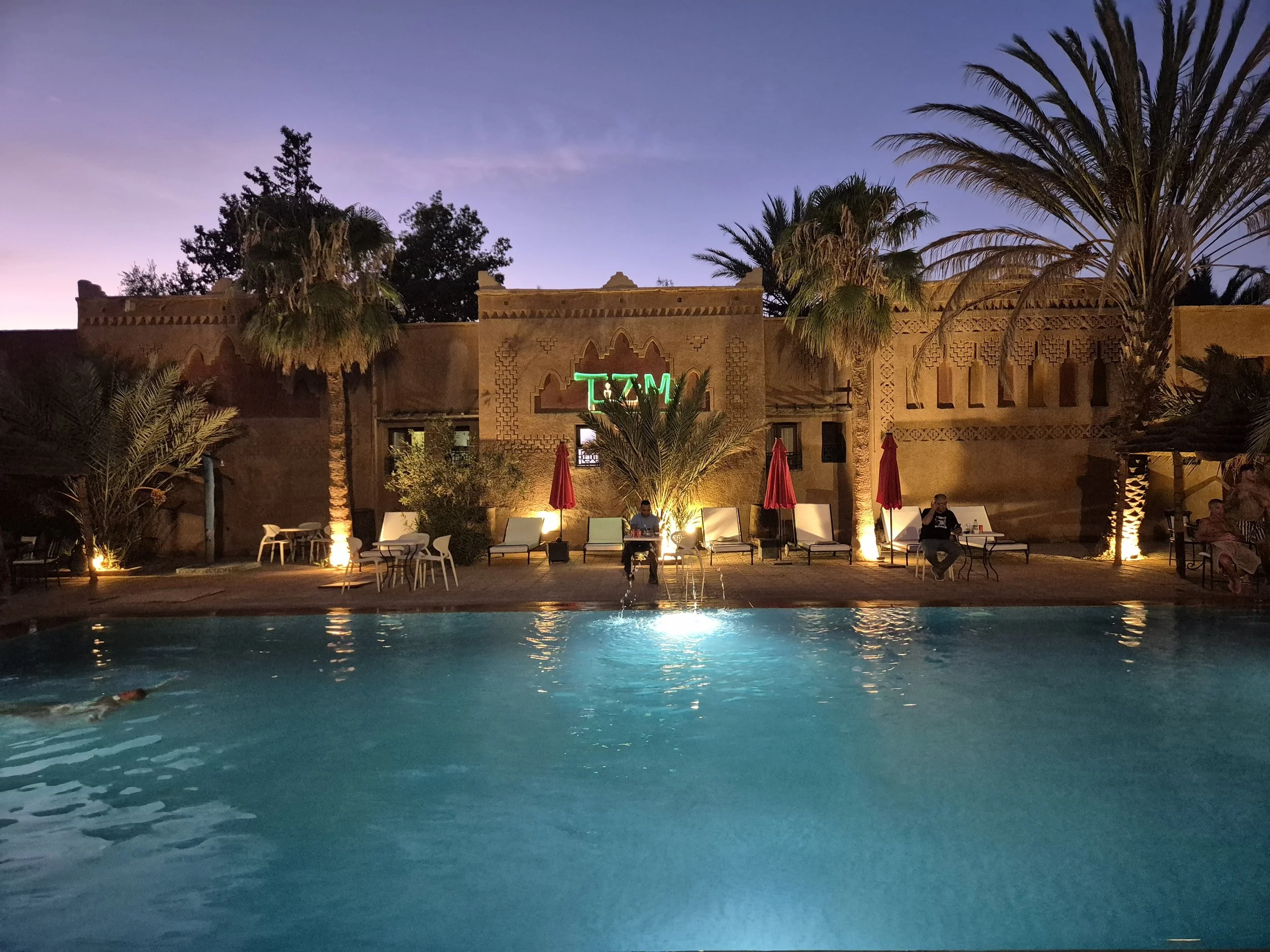
Before I Even Book: The Research I Do First
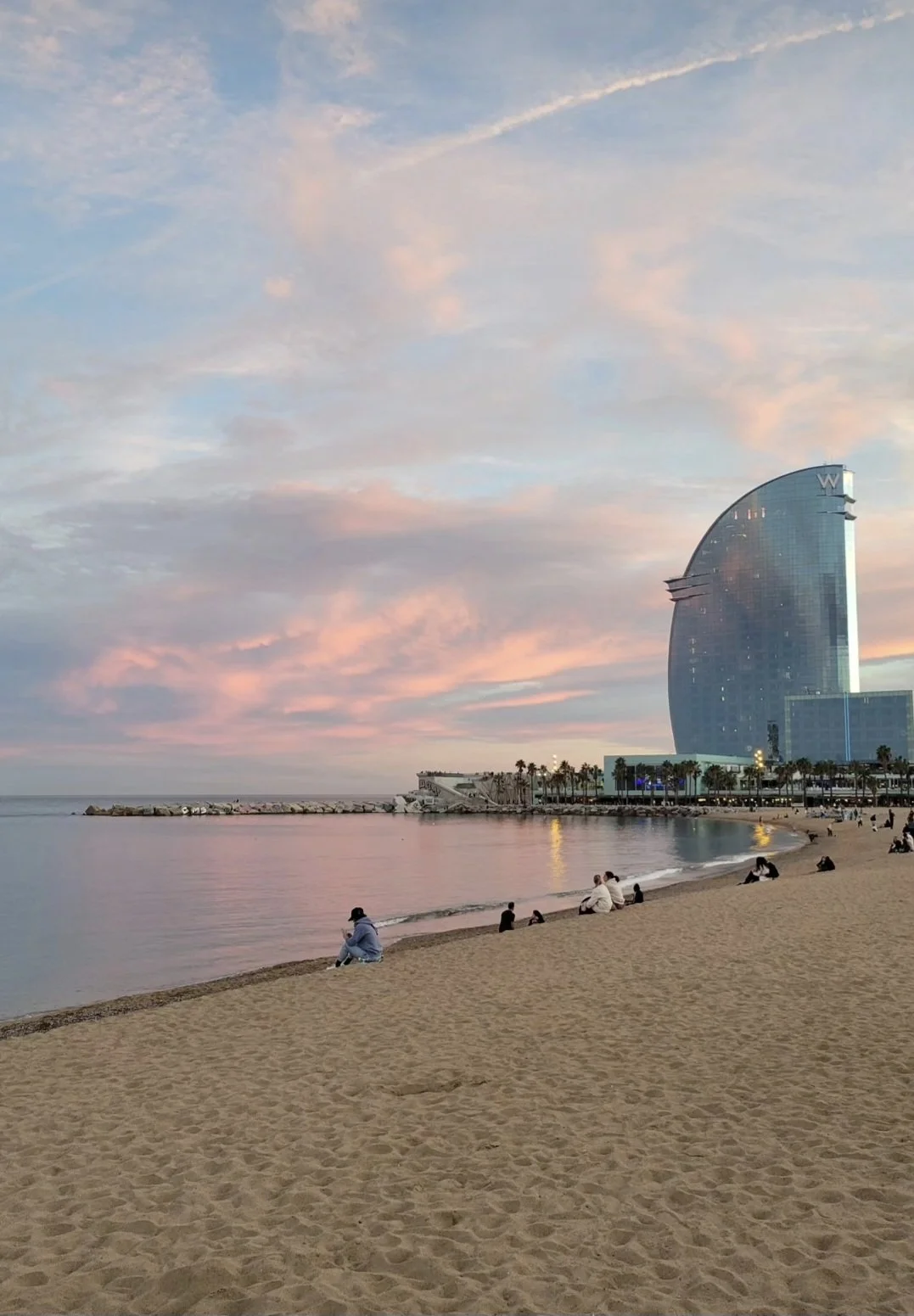
Safety planning starts long before I pack a bag. Some destinations are genuinely easy for solo female travelers. Barcelona and London, for example, I navigate without a second thought. But many destinations take real research before I commit. Two things I check for every trip:
The Solo Female Travelers Safety Index rates 210 countries based on real-world factors like harassment levels, theft risk, and local attitudes toward women. It is a far more useful starting point than a general "is X safe?" Google search.
GeoSure goes neighborhood by neighborhood. I pull it up for the specific area I'm considering staying in, not just the city overall. One city can have wildly different scores across different neighborhoods, and I want to know that before I book accommodation. The app is now behind a paywall, so unless you travel often, it might not be worth it these days. The advice here is to not trust a city rating, but to understand the implications of which neighborhood you choose.
When reading accommodation reviews, I filter specifically for comments from women traveling alone. I am looking for mentions of: 24-hour front desk, secure entry, and any red-flag staff/host mentions. If I cannot find enough reviews from solo female travelers, I keep looking.
One more thing most people skip: STEP. It's a free US government program that registers your trip with the local US Embassy and sends you real-time safety alerts for your destination. It takes about five minutes to set up. I do it for international trips where I know there may be some instability or weather concerns.
What's Actually in My Safety Kit
Let me show you my bag.
Before I leave, I make sure to make physical copies of my travel documents and also have them available digitally. I have to always have a plan B because one of the first things that disappears for good when you are robbed is your passport. Even if you don’t get robbed and you misplace it, this will help when reporting it missing and filing for a new one. I also have a copy of my bookings and travel insurance when I get it. It should go without saying, but please keep them separate from the originals.
The item that surprises people most is the doorstop alarm. It's a small wedge you slide under the door from inside. If anyone tries to open the door, it physically blocks it and triggers a 120-decibel alarm. It costs $10-$15. It is TSA-approved. I bought one after a hotel stay where the lock felt flimsy and I just... didn't sleep well. I have never traveled without it since.
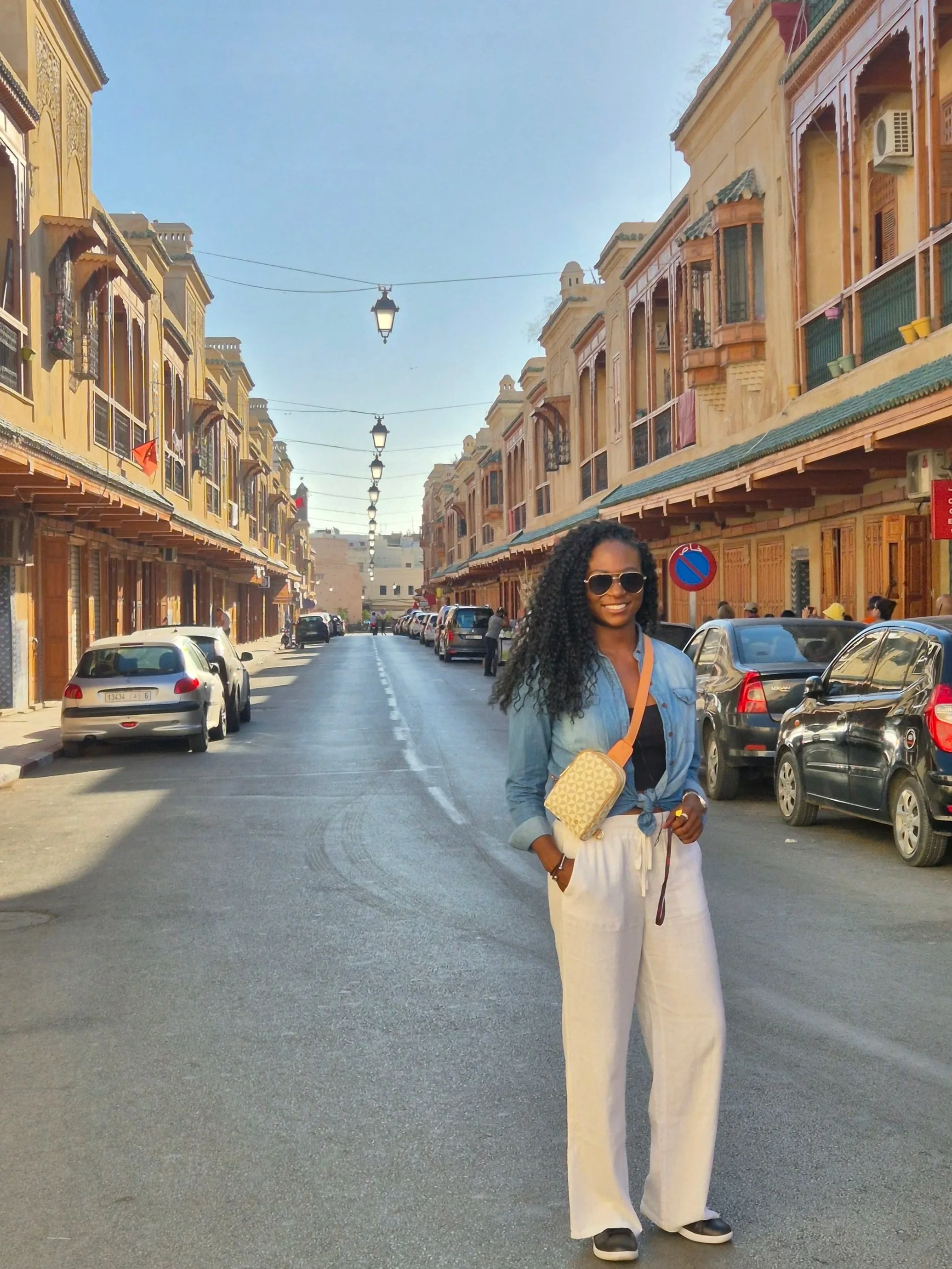
The rest of the kit: small pepper spray(TSA-approved only for checked luggage, U.S., domestic), a crossbody bag with a slash-proof strap that I wear in front in busy areas, a portable power bank, and a small notebook with my hotel address, key phone numbers, and emergency contacts written in pen. Phones die. Phones get stolen. The notebook does not care.
The First Two Hours in Any New City
Arrive in daylight. This is the one I cannot stress enough. That single decision, booking your journey so you land with light still on your side, changes the entire energy of a new arrival. You can see the neighborhood. You can find your accommodation calmly. You can take a proper video and photos of the room. You can eat before you settle in. Night arrivals in unfamiliar cities are stressful in a way that is 100% avoidable.
Once I'm in the neighborhood, I take a 20-minute orientation walk before I even unpack. I'm not sightseeing. I'm calibrating. Where's the nearest pharmacy? Where is the grocery store if necessary? Which streets feel well-lit? Which direction should I avoid after dark? It's the most useful 20 minutes of any trip.
Then I text my person, do my room check, set up the doorstop, and I'm done. Ready.
What I Do Every Day on the Ground
I keep my phone charged. Always. The power bank lives in my bag, not in the hotel room. Navigation, ride-share apps, emergency calls: the phone is doing a lot of work when you're traveling solo.
In busy areas (markets, transit, anywhere crowded) the crossbody bag goes in front, hand on top. Not paranoid, just positioned. Pickpockets are clever and patient.
And if something feels off? I leave. No explanation, no politeness, no second-guessing. That instinct is information. I talked about trusting your gut in my last post, and I mean it even more in practice than I did in theory. As a solo female traveler, you have to be acutely aware of your surroundings. That guy that you clocked earlier that you feel might be following you… trust that feeling. I have had this situation turn into benign flirting, but also uncomfortable advances.
You have to know when to politely decline and when to say an unambiguous no with authority. Use your full voice.
Prepared, Not Fearless
The stat that reframed this whole topic for me: According to Solo Female Travel Stats 16% of solo female travelers have actually feared for their safety on a trip in the last 12 months. But 68% worry about it before they go, a number that drops the more trips they take. The anxiety is almost always larger than the reality. The answer isn't to dismiss it. The answer is to out-prepare it.
You don't need to be fearless to travel solo safely. You need a routine. One you run so consistently that it stops feeling like a safety checklist and starts feeling like it’s just how you travel.
That's what this is for me now. The door check, the text, the walk. It's not fear. It's preparation. There is a very specific kind of freedom that comes with knowing you've thought it through.
The quick reference version:
Check the Solo Female Travelers Safety Index and GeoSure before you book
Enroll in STEP for international trips, but especially for locations deemed dangerous
Share your itinerary with one trusted person and set a check-in schedule
Pack: doorstop alarm, pepper spray, personal alarm, anti-theft crossbody, power bank, notebook
Arrive in daylight; take the 20-minute orientation walk
Keep your phone charged; wear your bag in front in busy areas
Trust your gut and leave any situation that feels off without explanation
What's one safety habit you swear by? I'm genuinely always adding to this list, so drop it in the comments below.
And if you haven't read the first post in this series, start there. It's everything I wish someone had told me before my first solo trip.
Some of the links on this site are affiliate links. This means I may earn a small commission if you make a purchase through them at no extra cost to you. I only recommend things I genuinely use or believe in.